


The Reluctant Monk: Aśvaghoṣa’s Saundarananda Edited and Translated with Commentary by Patrick Olivelle
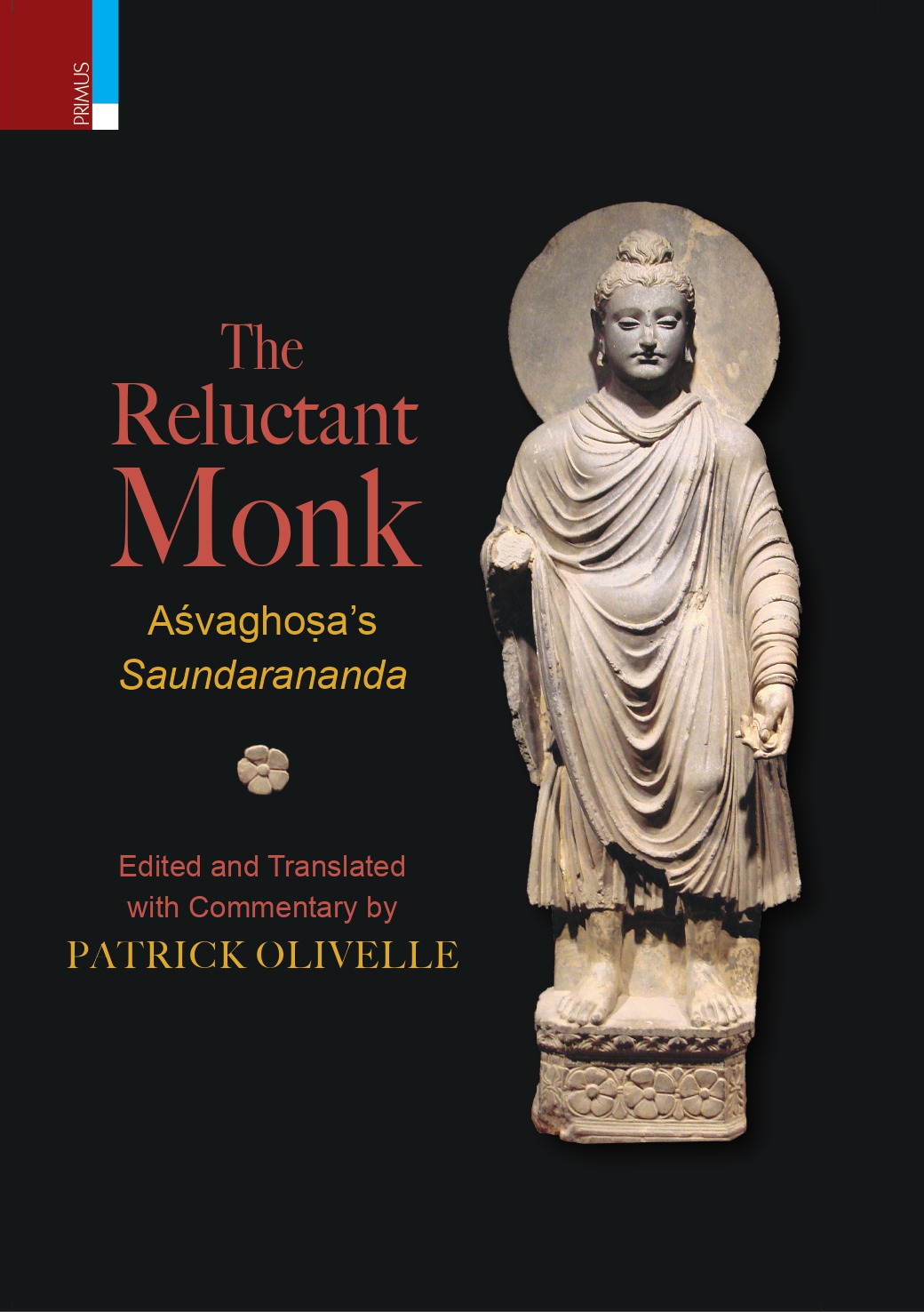
The Reluctant Monk: Aśvaghoṣa’s Saundarananda
EDITOR AND TRANSLATOR- Patrick Olivelle
| HB ₹1850 . $64.95 . £54.95 |
||
INFORMATION
- EDITOR AND TRANSLATOR : Patrick Olivelle
- HB ISBN :978-93-0961-561-0
- Year : 2026
- Extent : 606
- Discount available on checkout
- Usually dispatched within 3 to 5 working days.
The Saundarananda is Aśvaghoṣa’s poetic retelling of the conversion and enlightenment of Nanda, the Buddha’s half-brother. Composed in the second century ce, it is one of the oldest epic poems (kāvya) in Sanskrit. The narrative lovingly depicts Nanda’s life of marital bliss with his beautiful wife, Sundarī before the Buddha arrives intent on abducting Nanda from his domestic life. Forsaking his wife is a prerequisite for Nanda’s spiritual advancement—and this is the moral of the story. For Sundarī, Nanda’s renunciation brings profound grief, and between sobs and rage she gives voice to the pain of her unjust abandonment in her lament. Nanda’s abandonment of Sundarī reflects the misogynist portrayal of women apparent in Buddhist literature, as well as in most Indian ascetic texts. In these tracts, women are frequently depicted as temptresses alluring poor unsuspecting men into their trap, thereby placing the blame for male desire and lust on female allure and beauty. From a Buddhist perspective, however, the same events are understood quite differently. Buddha compelling Nanda to become a reluctant monk is seen as an act of kindness and compassion, intended to guide him toward enlightenment.
Editor and Translator
Patrick Olivelle is Professor Emeritus at the University of Texas at Austin. A former President of the American Oriental Society and a member of the American Academy of Arts and Sciences, he was awarded the honorary doctorate of Humane Letters by the University of Chicago. His major publications include Ashoka: Portrait of a Philosopher King (2024); Yājñavalkya: A Treatise on Dharma (2019); Governance, and Law in Ancient India: Kauṭilya’s Arthaśāstra (2013); Life of the Buddha: Buddhacarita by Aśvaghoṣa (2008); Manu’s Code of Law (2005); Upanisads (1996); Pañcatantra (1997); and The Āśrama System (1993).